
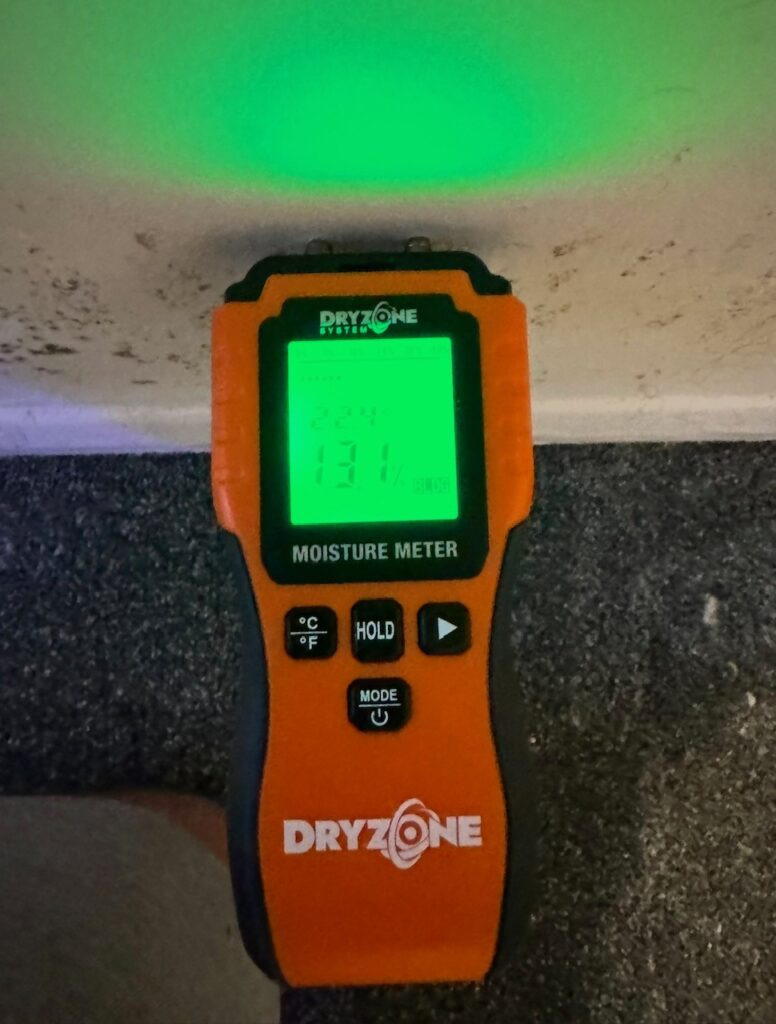
Signs of Damp and Mould in Your Property
Identifying damp and mould early can help prevent further damage, reduce complaints and improve internal property conditions. Damp and mould issues are often caused by condensation, poor ventilation, leaks, water ingress, cold bridging or defective building elements.
Common signs include black mould spots, staining to walls or ceilings, peeling paint, damaged plaster, musty smells, condensation on windows, damp patches, blown decorations and visible moisture around windows, bathrooms, kitchens and external walls.
Mould is often found in areas with poor airflow or high moisture levels, such as bathrooms, kitchens, bedrooms, cupboards, window reveals and behind furniture placed against cold external walls. Damp patches may also appear following rainfall where there are issues with gutters, brickwork, pointing, roof areas, seals or external defects.
Persistent condensation can be a key warning sign. This may be linked to inadequate heating, poor ventilation, blocked extractor fans, defective fans or moisture created from everyday use of the property, including cooking, bathing and drying clothes indoors.
Where signs of damp or mould are present, a survey can help identify the likely cause and recommend suitable remedial action. Early assessment allows issues to be treated correctly and helps reduce the risk of the problem returning.
How to Prepare for a Damp and Mould Survey
Before a damp and mould survey, it is useful to identify the areas of concern and provide as much information as possible. This may include when the issue first appeared, whether it gets worse after rainfall, whether condensation is present, and whether there have been any previous leaks, repairs or ventilation issues.
Photographs can also be helpful, especially where mould, damp patches or condensation appear at certain times of the day or during colder weather. If the issue is intermittent, photos can help show the extent of the problem when the surveyor attends.
Where possible, access should be provided to all affected areas, including bathrooms, kitchens, bedrooms, cupboards, loft spaces, external walls, windows, extractor fans and any areas where moisture or staining has been noticed.
During the survey, Corevia Group may carry out a visual inspection, take moisture readings where required, check ventilation, review extractor fans, inspect affected surfaces and consider possible causes such as leaks, condensation, water ingress, cold bridging or poor airflow.
Following the survey, clients can be provided with clear findings, photographs and practical recommendations. This may include mould treatment, ventilation improvements, extractor fan upgrades, leak investigation, minor remedial works or further building fabric repairs.
Why Choose Corevia Group for Damp and Mould Surveys?
Corevia Group provides practical damp and mould surveys for landlords, housing providers, managing agents, commercial clients and domestic customers. Our approach is focused on identifying the likely cause, recommending suitable remedial works and providing clear evidence for client records.
We understand that damp and mould issues can affect both the condition of the property and the wellbeing of occupants. Our surveys are designed to help clients act quickly, record findings clearly and reduce the risk of repeat issues.
Our services can include damp inspections, mould treatment, ventilation checks, extractor fan assessments, minor remedial works and post-completion reporting. We can provide photographs, findings and recommendations to support maintenance records, resident communication and completion sign off.
Corevia Group works with a focus on clear communication, safe working practices and practical solutions. Whether the issue is caused by condensation, poor ventilation, water ingress, leaks or defective building elements, we aim to provide straightforward advice and suitable next steps.
Contact Corevia Group today to arrange a damp and mould survey, treatment visit or ventilation assessment.